O each employee's performance Performance at work is a very important issue in all companies. However, many managers—and, by extension, many organizations—do not have all the tools necessary to measure and evaluate all the criteria relevant to each position or department.
Professional evaluation depends on various assessment criteria, but all of them serve, either quantitatively or qualitatively, to measure the contribution a member makes to the organization through their results and added value with respect to the compensation received.
Here's how you can reward your employees:
1. Pay Raise
Professional performance is often even mathematically linked to an employee's salary, through a proportional bonus or commission system. Employees feel that the first thing that should increase as they advance in their careers is their salary, and that’s a valid concern. Make sure your organization already has a clear system for salary increases To avoid unpleasant negotiations or those based on personality rather than performance recognition, establish an automatic annual—or periodic—raise tied to the achievement of goals. You can implement a fixed pay scale or a mathematical formula that makes employees more accountable for actually achieving their goals. To do this, make sure you have an accurate and reliable system for measuring the achievement of these results.
2. Meal card
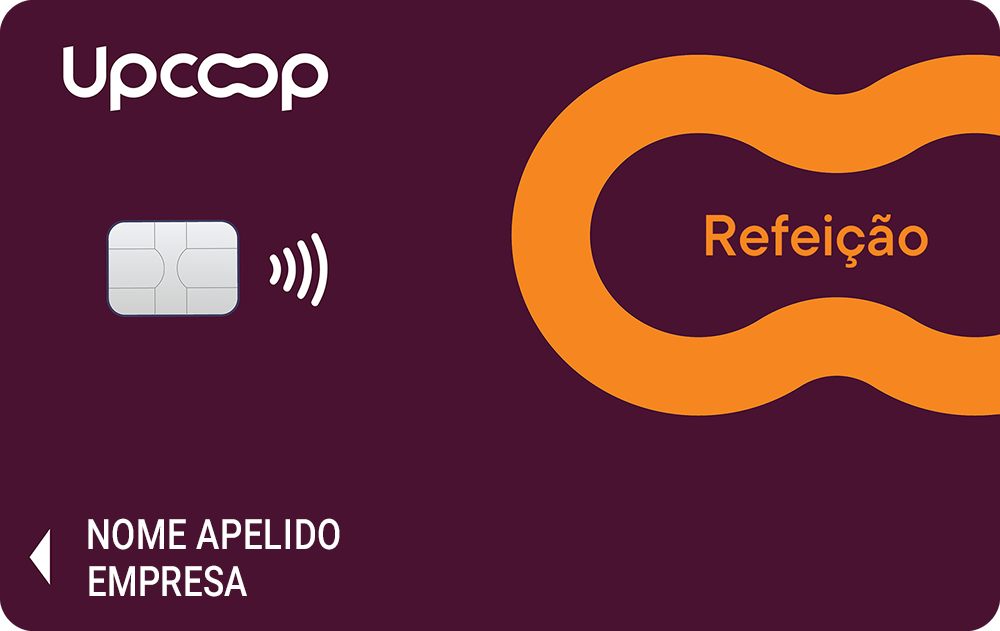
O meal card It is one of the preferred ways for employers to offer non-wage benefits to their employees and, at the same time, benefit from a favorable tax regime for the organization. The meal card is a simple and efficient tool that employees can use at any supermarket; it works like a regular card, and the balance can be easily checked through the App.
3. Flexible hours
Employee benefits are better received when they are based on each employee’s specific needs. Therefore, a healthy way to recognize and encourage the autonomy and the commitment Each employee's role is to offer a flexible work schedule.
4. Extra days off
Employee motivation is always higher when there is a balance between work and personal life. Extra days off They are the preferred way to reward employees for their work, and the benefit also helps them to recharge your batteries so that they can continue to be productive and maintain that level of performance.
5. Positive feedback
Your attitude as a manager has a strong impact on both the motivation of each employee and the organizational culture experienced by the team. The merit-based feedback, recognizing the efforts made and highlighting the right attitude is very important, especially because it’s in writing or public and can be seen by the entire team. It’s a subtle way to motivate through the power of example and, at the same time, to assertively communicate your expectations to your team.